Reasons Tech Waste Recycling Can Enable Businesses Reach Sustainability: Green Initiatives for Business Operations
Electronics recycling affords a paramount opportunity for businesses endeavoring to bolster their sustainability initiatives. By managing e-waste effectively, enterprises can reduce their ecological repercussions and recover prized resources. In addition, embracing these methodologies can improve corporate perception among environmentally responsible consumers. However, many enterprises might fail to consider the subtleties involved in establishing a thriving recycling scheme. Grasping these particulars is paramount for navigating the direction toward sustainable endeavors and realizing long-term results.
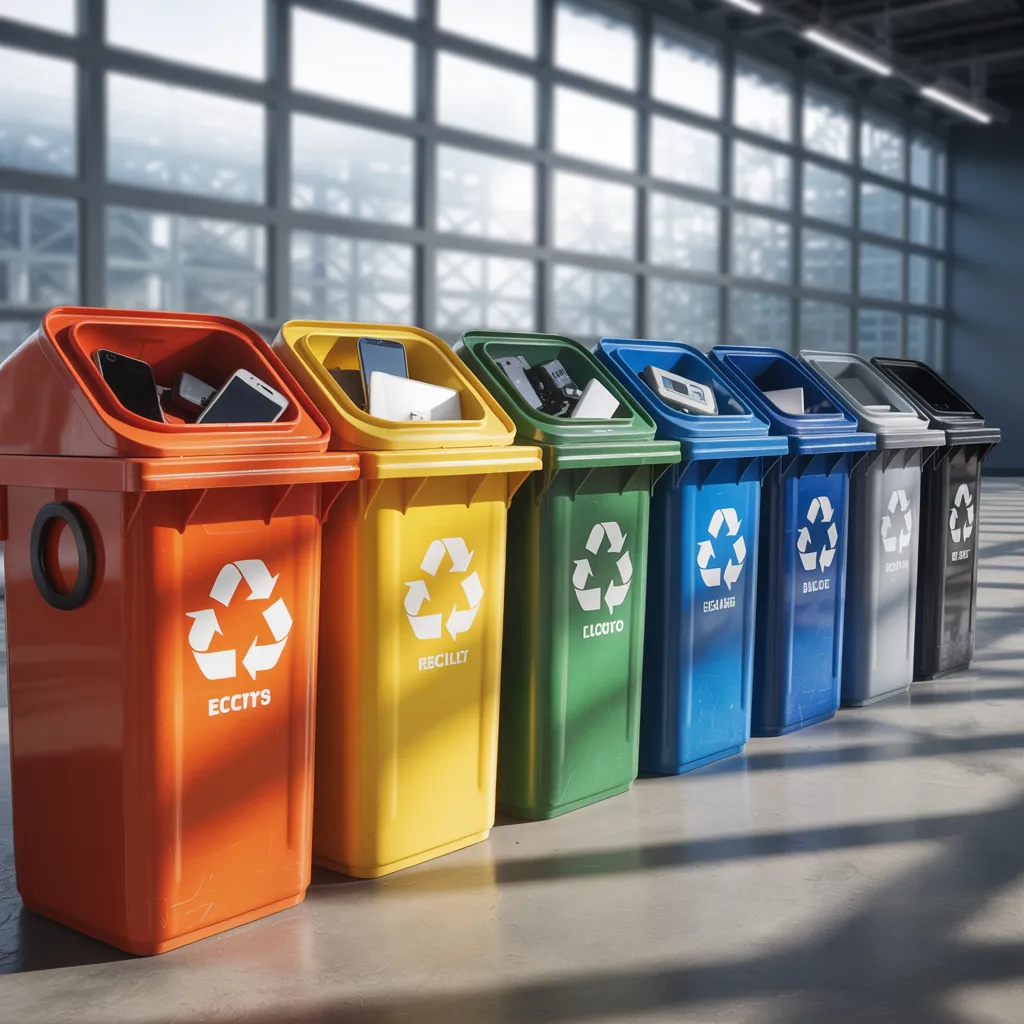
The Essential Function of Electronic Equipment Waste Recovery for Organizations
Although many enterprises may ignore the importance of electronics recycling, it functions as an integral role in promoting sustainability and reducing environmental impact. As technological advancements accelerate, companies routinely modernize their electronic equipment, resulting in a surging volume of e-waste. Effective recycling ensures that precious resources are reclaimed, limiting the demand for new material sourcing and preserving energy.
Additionally, participating in electronics recycling can strengthen a company's reputation. Consumers more frequently choose businesses devoted to sustainable practices, and demonstrating responsibility in managing e-waste can attract environmentally aware customers. Adherence to regulations regarding electronic waste also safeguards businesses from potential legal liabilities and fines.
Additionally, waste reduction can generate financial advantages. By carefully handling outdated electronics, companies can decrease waste disposal fees and gain financial value from recyclable materials. Overall, embracing electronics recycling is not simply an ethical choice; it is a strategic business decision that corresponds with modern sustainability goals.
How Recycling Electronics Reduces Environmental Impact
Electronics recycling functions as a essential role in reducing environmental consequences by preserving natural resources and minimizing e-waste pollution. By extracting important materials, this approach supports the promotion of circular economy guidelines. As organizations participate in accountable recycling, they contribute to a more sustainable future.
Conserving Natural Resources
Recycling electronics considerably contributes to the conservation of natural resources by reclaiming valuable resources. Many electronic devices contain valuable metals like gold, silver, and palladium, which can be extracted and reused. This process curtails the need for mining, a resource-intensive activity that exhausts ecosystems and consumes considerable energy. Furthermore, recycling facilitates the recovery of rare earth elements essential to manufacturing new technologies. By diverting electronic waste from landfills, businesses not only diminish the environmental impact of resource extraction but also encourage a circular economy. This sustainable practice allows companies to shrink their carbon footprint, lower production costs, and copyright environmental stewardship, ultimately fostering a healthier planet for future generations. Through responsible recycling, businesses can lead the conservation of critical natural resources.
Combating E-Waste Pollution
A considerable share of global waste consists of electronic devices, leading to escalating environmental pollution. E-waste that is disposed of improperly emits harmful substances including heavy metals and toxins, which contaminate soil and water sources. By recycling electronics, these risks are lessened as harmful components are dealt with in a safe and responsible manner. By reusing materials such as metals, plastics, and glass, recycling cuts the need for new resource extraction, leading to lesser environmental impact. Recycling schemes also aid in the responsible disposal of obsolete devices, enabling businesses to meet environmental rules. Companies that participate in electronics recycling reduce their carbon footprint and foster a healthier environment. This forward-thinking method illustrates corporate responsibility while effectively dealing with the urgent problem of e-waste pollution.
Supporting Circular Economy Implementations
Adopting accountable electronics waste management initiatives serves as a crucial component in advancing sustainable economic models. By processing electronic waste, organizations can substantially lower the requirement for raw resources, thus safeguarding natural resources and curtailing ecological damage. This method supports the recovery of critical materials, extending the useful life of items and cutting down the scale of e-waste deposited in landfills. Moreover, by embracing circular economy principles, businesses can strengthen their brand standing and respond to consumer expectations for sustainable operations. Prioritizing ethical waste management additionally spurs creativity in device development, prompting suppliers to manufacture equipment that are simpler to take apart and recycle. In conclusion, incorporating electronics recycling into company strategy aids in creating a greener world, helping both the natural world and the economy.
Top Benefits of Electronics Disposal for Organizations
Electronics reprocessing offers significant advantages for businesses, primarily through reduced expenses and environmental impact reduction. By properly recycling outdated equipment, organizations can reduce disposal costs and retrieve precious resources. Furthermore, embracing sustainable disposal methods enhances corporate responsibility and promotes sustainability efforts.
Financial Savings Possibilities
Many organizations are realizing substantial cost reductions through efficient e-waste recycling approaches. By adopting these programs, enterprises can reduce disposal expenses associated with e-waste, as recycling often is cheaper than landfill disposal. Additionally, precious materials extracted from old electronics can be resold, generating revenue and offsetting replacement costs. Optimized recycling processes also decrease storage costs for obsolete equipment, opening up valuable office space. Moreover, numerous organizations gain from tax incentives related to green practices, providing another layer of financial advantage. Overall, embracing electronics recycling not only supports corporate responsibility but also encourages economic efficiency, allowing businesses to distribute resources more strategically and enhance their bottom line.
Environmental Footprint Reduction
A significant reduction in environmental impact is one of the key benefits companies gain when they implement robust device recycling programs. By reprocessing old equipment, companies can minimize hazardous waste, such as heavy metals and toxic substances, that can leach into ground and aquatic systems. This not only helps in preserving natural resources but also decreases the greenhouse gas emissions associated with manufacturing new electronics. Additionally, reprocessing conserves energy, as it often requires reduced fuel to process recycled materials than to extract and refine virgin resources. As organizations adopt these practices, they contribute to a circular economy, advancing sustainability and environmental stewardship. Ultimately, accountable device disposal enables businesses to enhance environmental reputation while positively impacting the planet.
How to Develop a Effective Electronics Waste Management Strategy
Putting together a accomplished electronics recycling strategy requires careful planning and performance. Firms should proceed by evaluating their current e-waste control practices to identify portions for progress. This inspection should incorporate an registry of outdated apparatus and an appraisal of discharge processes.
Initially, organizations need to define clear objectives regarding their environmental programs, which might include decreasing waste volumes, improving recycling success rates, or strengthening sustainability measures. Engaging employees via skill-building sessions establishes an ethos of environmental stewardship and facilitates participation in green initiatives.
Additionally, setting a schedule and financial plan is critical for monitoring progress and confirming resources are distributed efficiently. Regularly assessing and modifying the approach based on input and evolving regulations helps sustain compliance and performance. By incorporating these elements, companies can create a robust electronics recycling strategy that not only helps the environment but also promotes corporate accountability and enhances their green image.
Steps to Locate the Correct Electronics Recovery Ally
What approach can a company take to ensure its e-waste disposal supplier aligns with its sustainability goals? Selecting an appropriate recycling partner requires comprehensive assessment of their practices and certifications. Organizations should seek suppliers that hold established certifications, including R2 or e-Stewards, which demonstrate compliance to environmental standards.
Additionally, organizations should ask about the partner recycling techniques, including the procedures for addressing hazardous materials and the percentage of recycled materials versus those placed in landfills. Accountability in data management and reporting standards is also vital.
Moreover, a solid reputation in the industry review can be indicative of dependability; businesses may benefit from reviews and testimonials from other clients. Participating in open communication about environmental objectives will help ensure coordination. Ultimately, choosing a partner dedicated to ethical recycling practices can greatly enhance a corporation's overall green initiatives.
Dispelling Widespread False Beliefs Regarding Electronics Recycling
Many companies recognize the significance of electronics recycling, but various myths persist that can obstruct efficient practices. A typical misconception is that all electronics may be placed in standard recycling bins. Actually, specialized facilities are necessary to manage electronic waste safely. Another myth claims that recycling electronics is too expensive for businesses. In reality, many recycling programs supply free or low-cost services that can in the end save companies money by reducing waste disposal fees. Additionally, some assume that data security concerns make recycling too dangerous. However, reputable recycling partners deliver certified data destruction services, making certain sensitive information is properly handled. Lastly, there is a idea that recycling electronics has minimal environmental impact. In truth, proper recycling considerably reduces e-waste in landfills and saves valuable resources. Debunking these myths is vital for businesses looking to adopt sustainable practices and support the environment.
Evaluating Your Electronics Recycling Success
Organizations that effectively debunk myths about electronics recycling often find themselves eager to evaluate their progress. Monitoring key performance indicators is vital for determining the impact of recycling programs. Metrics such as the quantity of e-waste recycled, the percentage of materials recovered, and cost savings can provide valuable perspectives.
Furthermore, organizations should evaluate their carbon footprint reduction and compliance to sustainability requirements. Involving staff through awareness programs can also be measured by engagement levels in waste management initiatives.
Including customer comments can further enhance knowledge of the recycling program's influence. Consistent audits and analysis on these metrics not only underscore successes but also discover areas for improvement.
Ultimately, a systematic method to assessing electronics recycling success enables businesses to make evidence-based decisions, cultivating a culture of sustainability that benefits both the environment and the organization.
Popular Questions Asked Often
What Varieties of Electronic Devices Can Be Recovered?
A wide variety of electronics are recyclable, including computers, smartphones, tablets, televisions, printers, and gaming consoles. These items frequently hold valuable materials that can be reused, reducing waste and supporting environmental sustainability.
How Often Should Enterprises Replace Their Electronics?
Enterprises should recycle their technological devices minimally once per year, or with greater frequency contingent upon technological upgrades and equipment turnover. Regular recycling guarantees prudent resource allocation and compliance with environmental regulations, promoting ecological responsibility within the organization.
Are There Costs Connected to Electronics Recycling?
Yes, there are fees associated with electronics recycling, encompassing collection, transportation, and processing expenses. However, these fees can be counterbalanced by prospective gains from minimized waste disposal and adherence to environmental requirements.
Could Recycling Electronics Introduce Data Security Risks?
Yes, electronic device recycling can introduce protection vulnerabilities if necessary protocols are not followed through. Proprietary data may be unintentionally exposed during the recycling process, revealing the importance of information security measures methodologies before disposal.
What Credentials Must a Recycling Partner Maintain?
A reliable waste management provider should obtain qualifications such as R2, e-Stewards, and ISO 14001. These certifications verify conformity with sustainability guidelines, cybersecurity standards, and responsible recycling practices, protecting both the ecosystem and private details.
Comments on “How Computer Recycling Houston Provides Secure Data Handling”